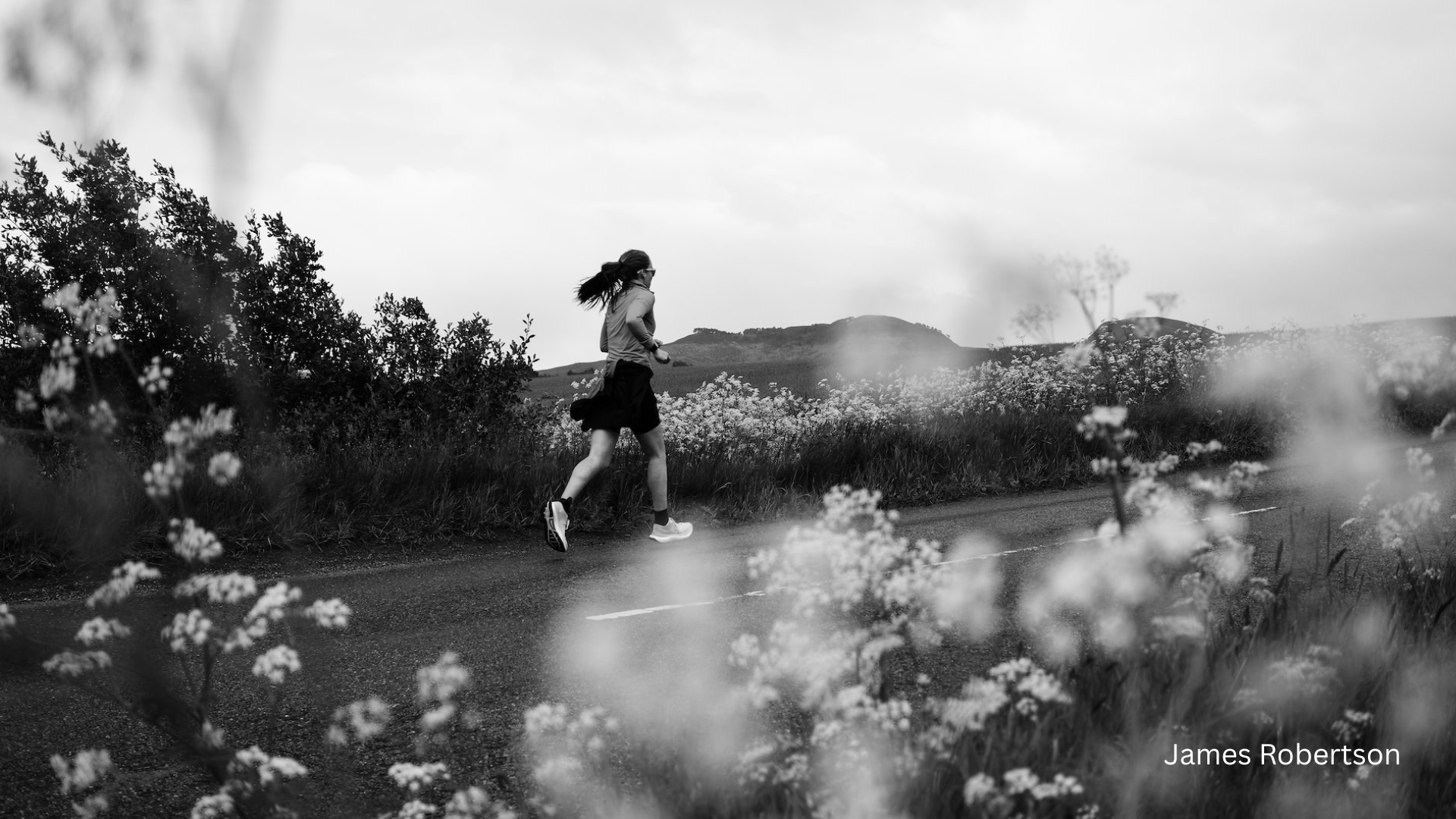
RED-S Counselling (Relative Energy Deficiency in Sport)
A Grounded Space for Athletes When Something No Longer Feels Right
Athletes are often taught to be resilient at all costs, to push through fatigue, and to maintain discipline no matter how their body feels. When energy levels shift or performance becomes unpredictable, it can feel frightening, confusing, or even shameful. Many athletes don’t recognise the early signs of RED-S, or worry that acknowledging it means they are failing or losing control.
If you’re noticing changes in energy, recovery, mood, or performance, or feeling emotionally overwhelmed by training demands, you’re not alone. I offer a confidential, grounded space where athletes can talk openly and without fear of judgement.
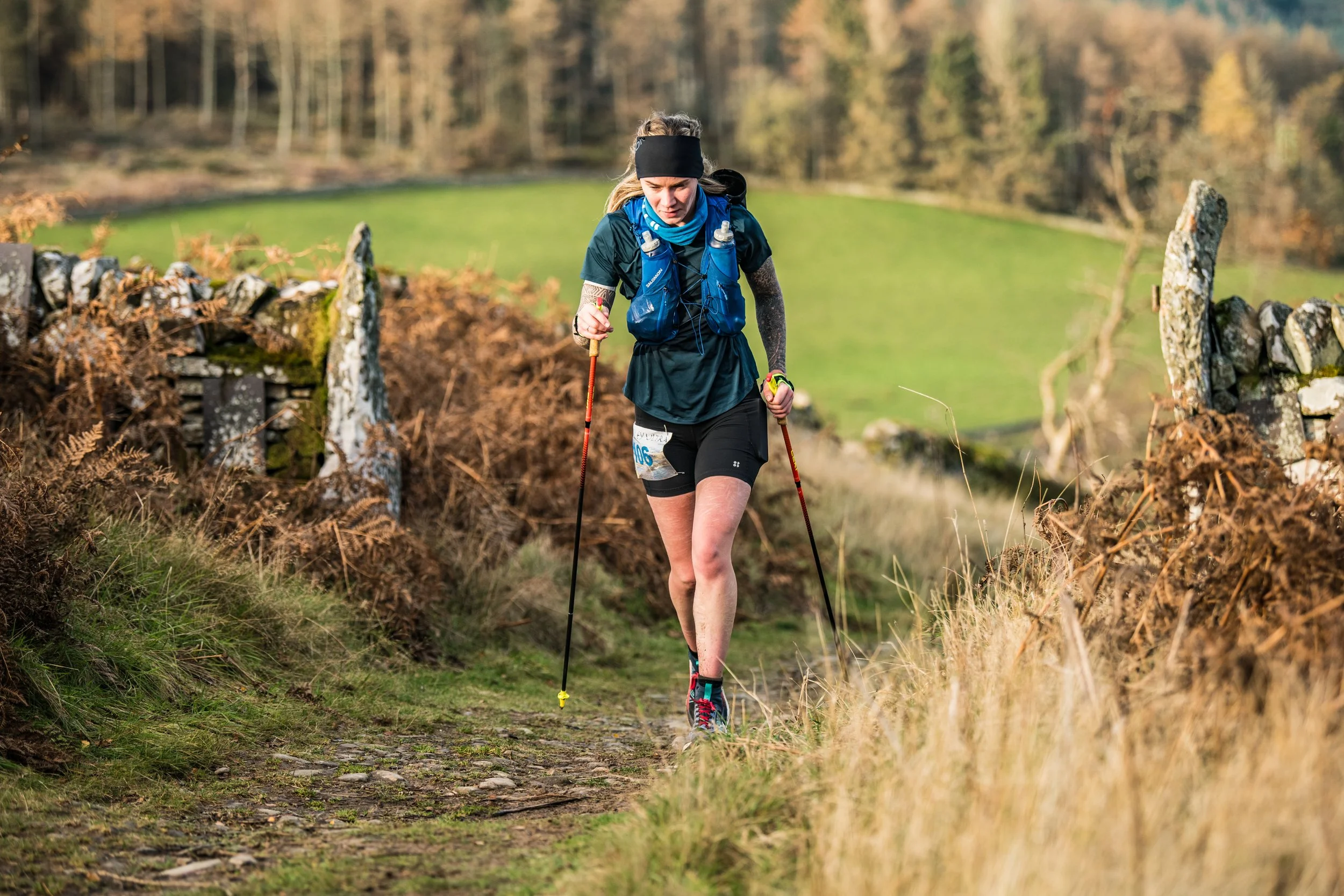
As an endurance athlete myself, I understand the emotional and identity-based complexity of slowing down, stepping back, or listening to what your body is trying to communicate. You don’t have to justify why your sport matters, why rest feels difficult, or why this experience feels vulnerable. I already understand that from within the athlete experience.
All sessions take place online, supporting privacy and comfort. I work integratively, drawing from person-centred, psychodynamic, trauma-informed, and neurodivergent-aware approaches, recognising that RED-S affects far more than physiology. It touches identity, self-worth, relationships, and emotional wellbeing.

Understanding RED-S
Relative Energy Deficiency in Sport occurs when the body does not receive enough energy to support both training demands and everyday functioning. While RED-S is often discussed in physical terms, such as recovery, hormones, or fatigue, it also carries significant emotional and psychological impact that is often overlooked.
Athletes may notice increased anxiety, irritability, low mood, loss of motivation, difficulty concentrating, or a growing sense of disconnection from training or from their own body. These shifts can be unsettling, especially when physical symptoms emerge gradually or subtly.
Because athletes are trained to tolerate discomfort and “push through,” RED-S can go unnoticed for a long time. You might question why your body feels unpredictable, or try to compensate with more structure, stricter routines, or greater internal pressure.
RED-S is common in endurance sports, weight-sensitive or aesthetic sports, and high-performance environments, and often develops gradually, making it difficult to recognise until it begins to affect multiple areas of life. Counselling offers a safe place to understand these experiences with clarity and compassion, rather than fear or self-blame.
How Counselling Can Help
Therapy creates space to explore the internal and external pressures surrounding RED-S. Many athletes feel confused, ashamed, or frustrated when their body no longer responds as expected. You may fear losing fitness, worry about what others will think, or feel as though you’re failing at being an athlete.
Our work focuses on making sense of these emotions and understanding where they come from. Together, we explore beliefs and expectations that shape training behaviours, such as perfectionism, fear of rest, comparison, internal pressure, or tying worth to performance. There is also space to process grief and uncertainty, when energy changes or when your athletic identity feels shaken. These experiences can be deeply emotional and often go unspoken.
Counselling helps rebuild your relationship with your body, not as something to control or fight, but as something to work with and listen to. RED-S can create conflict between mind and body. Therapy supports restoring trust, connection, and partnership, helping you move forward in a way that feels aligned with your wellbeing and, if you choose, with performance.
My Therapeutic Approach
I work integratively, combining different therapeutic perspectives to support your needs with flexibility and sensitivity.
A person-centred foundation shapes our work. You set the pace, and your lived experience guides each session. You do not need to perform strength or clarity here.
A psychodynamic lens helps us gently explore deeper patterns, such as early experiences, internal narratives, and emotional dynamics that influence how you relate to effort, rest, and worth.
Trauma-informed practice recognises the body’s survival strategies. Many athletes learn to override hunger, fatigue, or pain because they believe they “should.” Understanding these patterns with compassion creates space for healthier relationships with effort and recovery.
Neurodivergent-aware support sits at the heart of my work. If you are autistic, ADHD, or AuDHD, training may offer regulation, structure, or identity. Hyperfocus, sensory needs, or emotional intensity can shape how you train and how you experience changes in performance. These dynamics are supported gently and without judgement.
Across all of this, sessions are flexible, adaptive, and grounded in emotional safety.
Working With Athletes
Athletes often carry internalised expectations to be strong, consistent, capable, and always progressing. When RED-S interferes with performance or recovery, it can disrupt your sense of identity, confidence, and self-worth.
As an endurance athlete myself, I understand the emotional landscape behind training plans, long-term goals, and performance culture. I know the drive to keep pushing, the discomfort of rest, the fear of losing momentum, and the vulnerability of admitting something feels off.
You don’t need to explain why stepping back feels hard or why rest can feel like a threat to who you are. In counselling, we explore not only the physical impact of RED-S, but the emotional world beneath it, including pressure, hope, fear, meaning, and the role sport plays in your life.
What We Might Explore Together
You may come because your body feels unpredictable, your identity feels shaken, or something simply doesn’t feel right. You might feel disappointed, confused, frustrated, or unsure how to express what’s happening.
Therapy offers space to explore the emotional, cognitive, and identity layers of RED-S at your own pace, without needing to have answers.
Consultation for Coaches, Clubs, and Support Teams
Alongside working with athletes, I also offer consultation for coaches, clubs, and support staff who want to better understand the emotional and psychological aspects of RED-S.
Supporting athletes goes far beyond training load and performance outcomes. It involves recognising how identity, internal pressure, communication, and relationships shape choices long before physical symptoms appear.
As both a counsellor and endurance athlete, I understand how easily distress can be masked, fatigue minimised, or early signs overlooked. Coaches often care deeply but may not have space to explore their own questions or concerns.
Consultations offer space to think together about:
• emotional and behavioural aspects of RED-S
• how perfectionism, shame, or pressure influence decisions
• approaching sensitive conversations with athletes
• recognising subtle signs of burnout or imbalance
• supporting neurodivergent athletes compassionately
• building psychologically safe sporting environments
These sessions are reflective and supportive, not diagnostic. The aim is to strengthen communication, prevent escalation, and place wellbeing alongside performance.
Training and background
Postgraduate Diploma in Person-Centred and Psychodynamic Counselling (University of Edinburgh, COSCA-accredited)
BA (Hons) Psychology with Sociology (Edinburgh Napier University).
Clinical placements at Health in Mind, ESMS Schools, and the West End Therapy Centre, working with a diverse range of clients and presenting issues.
Why I Do This Work
Supporting athletes through RED-S holds deep meaning for me. Sport shapes identity, belonging, emotional regulation, and ambition. When something disrupts that relationship, the impact can be profound.
Having someone who understands this both personally and clinically can make the journey feel less isolating. I believe athletes deserve spaces where they can speak honestly, be vulnerable, and be understood beyond performance.
That is the space I aim to provide.
Fees
My fee is £70 per 50-minute counselling session.
Get Started
Sessions are held online for accessibility and comfort. You can book a free 15-minute consultation to explore whether counselling feels right for you.
RED-S Counselling FAQs
-
RED-S counselling offers emotional and psychological support for athletes experiencing Relative Energy Deficiency in Sport. It focuses on how low energy availability affects identity, emotions, motivation, relationships, and self-worth, not just physical performance.
-
No. You do not need a formal diagnosis to seek support. Many athletes come because something feels off with energy, recovery, mood, or training, and want space to explore what’s happening.
-
No. RED-S can affect athletes at any level, from recreational to high performance. If sport is an important part of your life and changes in energy or recovery are impacting you, this space is for you.
-
Counselling works alongside physical recovery by supporting the emotional side of RED-S. It helps you process fear, frustration, identity shifts, and internal pressure, and rebuild trust with your body while other professionals support your physical health.
-
No. I do not provide training or nutrition plans. My role is to offer emotional and psychological support. If needed, we can discuss working alongside coaches, GPs, or dietitians as part of wider care.
-
There is no set number. Some people come for short-term support, while others work longer-term. This is something we can explore together, with regular check-ins to ensure the therapy continues to meet your needs.
-
You can book a free 15-minute consultation or enquire directly via the contact form. Reaching out is the first step, and you are welcome to take it at your own pace.